
Why Children Count Down to Christmas in Sleeps, Not Days (and Why It Makes the Wait Feel Longer)
“How many sleeps until Christmas?”
If you have ever lived with a child in December, you have heard that question at breakfast, in the car, at bath time, and again five minutes after you just answered it. Adults count dates. Kids count bedtimes. And that small difference reveals something surprisingly deep about how a young brain experiences time, hope, and the longest month of the year.
Because to a child, Christmas is not really 24 days away. It is 24 nights of closing their eyes and hoping the magic gets one sleep closer.
A Child’s Clock Runs on Events, Not Calendars
Adults feel time through schedules. We see a calendar grid, a work week, a deadline circled in red. A five-year-old does not live in that world yet. Their sense of time is built from repeated, felt events: waking up, eating lunch, bath, story, sleep. One sleep is a complete loop they can actually picture.
That is why “in three weeks” means almost nothing to a small child, while “three more sleeps” lands instantly. A sleep is something their body does. It has a beginning they remember — pajamas, a story, the hallway light — and an end they wake up to. Counting sleeps turns an abstract stretch of December into a row of doors they get to open one by one.
There is a catch, though. Each door has to be lived through at full kid speed, and kid speed in December is very, very slow.
Why the Wait Feels Endless to Them (and to You)
Here is the part that surprises many parents: counting in sleeps can make the wait feel longer, not shorter. When every bedtime becomes a milestone, every bedtime also becomes a reminder that the big day is still not tomorrow. The countdown gives the excitement a daily appointment.
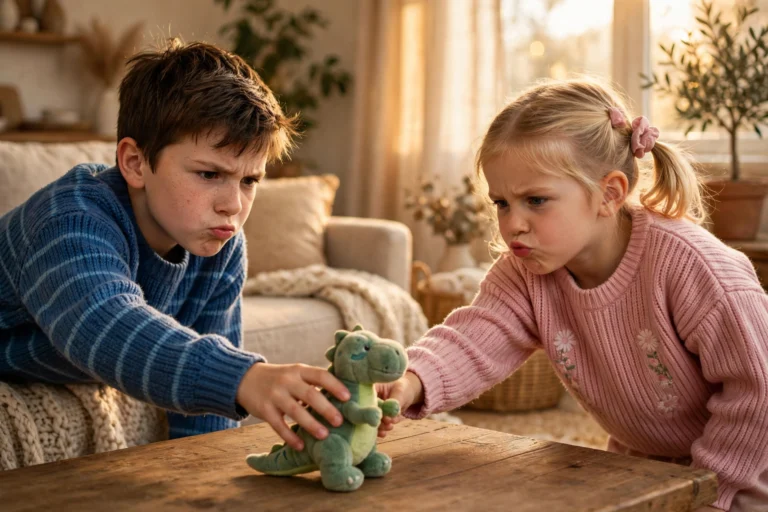
That is why December bedtimes often get harder, not easier. A child who was fine in October suddenly needs one more question answered and one more check that the calendar was read correctly. They are not just stalling. They are trying to negotiate with time itself.
Anticipation Is the Real Gift Arriving Early
Looking forward to something can feel almost as good as the thing itself, and children are masters of this. Adults rush through December checking tasks off a list. Kids savor the approach: they rehearse Christmas morning in their heads, imagining the wrapping paper and the exact face they will make. Counting sleeps is how they hold that movie in mind. Each night is a small rehearsal, and the countdown itself becomes part of the celebration — which is why a last-minute plan change can feel genuinely heartbreaking to them.
The Sweet Reason Bedtime Gets Emotional
There is another layer hiding inside the question. “How many sleeps?” is often a child’s way of asking, “Is the good thing still coming?” December is exciting, but it is also a lot: darker evenings, busier grown-ups, routines bending out of shape. A sleep countdown is predictable in a month that feels wobbly — the number always goes down by one. When a parent answers calmly, night after night, they are handing over reassurance in a form a child can hold. That is why the question repeats even when the child knows the answer. They are not checking the math. They are checking the feeling.
How to Make the Sleeps Feel Kinder
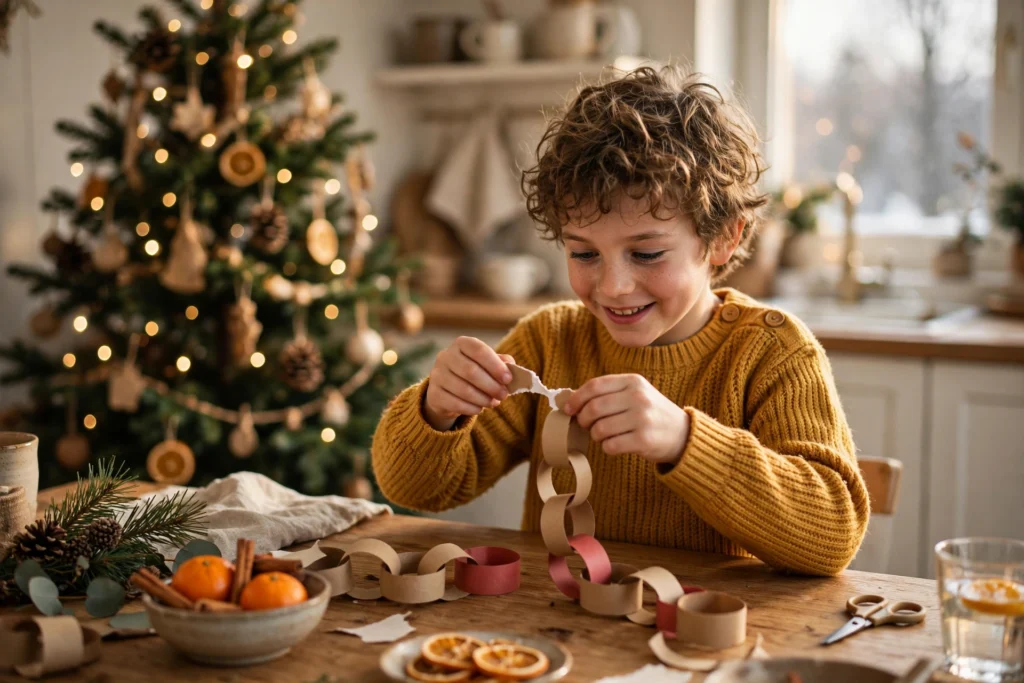
You do not need a perfect advent system to help. A simple paper chain, a row of stickers, or crossing off each morning on a big calendar gives the countdown something physical to live in. The key is to let the child do the marking. Tearing off one link is a tiny ceremony that says, “We moved. It is closer. You helped.”
It also helps to give the in-between days their own small pleasures, so December is not just a hallway to one morning. A cocoa night, a silly card-making afternoon, a walk to look at lights — these become the memories that fill the sleeps, instead of the sleeps feeling empty.
And on the nights when the excitement tips into tears, it is worth remembering what is underneath. Your child is not being dramatic about a date. They are feeling time the only way they know how: one heartbeat, one bedtime, one hopeful sleep at a time.
One day they will count in deadlines like the rest of us. Until then, answer gently: you are teaching them that waiting can be part of the joy.
Practical Takeaways
- Count in sleeps on purpose: It matches how young children actually feel time, so the answer lands instead of confusing them.
- Make the countdown physical: A paper chain, stickers, or a big calendar the child marks each morning turns waiting into progress they can touch.
- Expect harder bedtimes: December excitement often peaks at night, so keep the routine calm, short, and predictable.
- Fill the in-between days: Small rituals like a lights walk or cocoa night keep the wait from feeling like an empty hallway.
- Answer the feeling, not just the number: A repeated “how many sleeps?” usually means “is the good thing still coming?” — reassurance helps more than math.