
Why Your Kids Save Their Worst Behavior for You (and Why That’s Actually a Compliment)
Picture this. Your five-year-old has been an absolute angel all day at school. The teacher raves about her. The grandparents say she was “no trouble at all.” Then the front door closes, her shoes hit the floor, and within forty seconds she is melting down because you cut her sandwich into triangles instead of squares.
If that has ever made you wonder what you are doing wrong, here is the truth: nothing. The sandwich meltdown is a sign you are doing something very right.
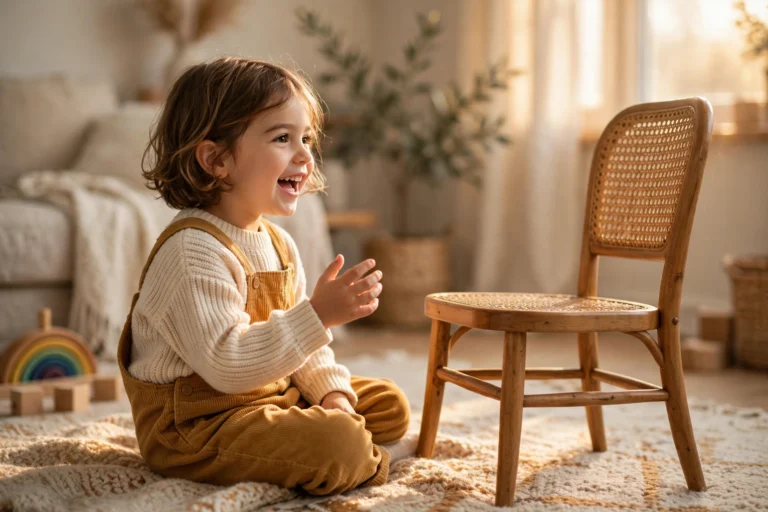
Children do not save their worst behavior for the people they dislike. They save it for the people they trust most. Psychologists call this restraint collapse — the moment a child finally lets go of everything they have been holding together all day, the second they feel safe enough to fall apart.
1. Your Child Has Been “Holding It In” All Day — Literally
Think about what a school day asks of a small person. Sit still. Wait your turn. Share the crayons you were just using. Raise your hand. Do not cry when the tower falls. Be polite to people who are not always polite back.
That is an Olympic-level performance of self-control, sustained for six or seven hours. Adults do the same thing at work — perfectly composed through a terrible meeting, then snapping at the GPS on the drive home. That is not a character flaw. That is a pressure valve releasing.
Your child is doing the same thing, except you are the GPS. The front door is where the performance ends. The meltdown over the sandwich is not about the sandwich. It is the whole day’s worth of held-together-ness finally getting permission to come out.
2. They Fall Apart With You Because You Are the Safe Place

Kids are remarkable judges of emotional safety. A child will not have a full-body meltdown in front of someone they are unsure about — the teacher, the neighbor, the visiting grandparent. They perform composure there, because the relationship feels conditional: if I fall apart, will this person still like me?
With you, they already know the answer. You have seen them at their absolute worst a hundred times and stayed. So they skip the performance and bring you the raw, unfiltered, ugly-cry version — not because they respect you less, but because they trust you completely. The behavior that feels like a personal attack is actually the highest compliment a small child can pay.
3. The “After-School Explosion” Has a Pattern — Learn It
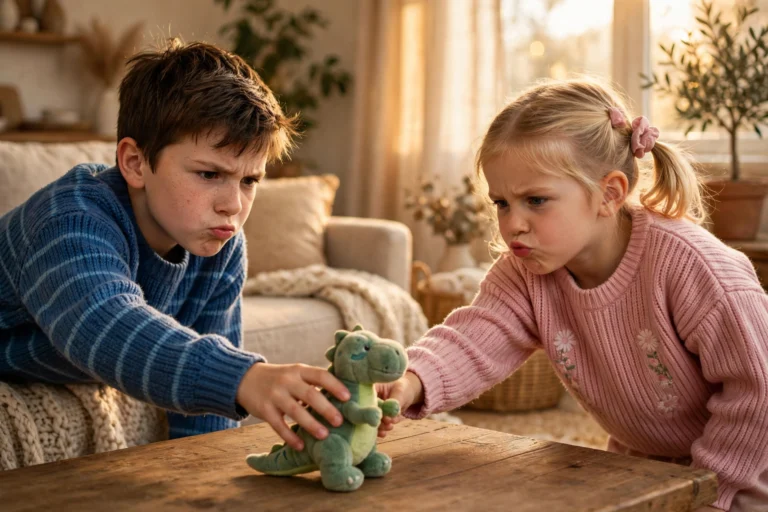
Restraint collapse is so common it practically has a schedule. It usually strikes in the first twenty minutes after pickup. The signs are identical in every household: whining about nothing, picking fights with siblings, refusing snacks they normally love, dissolving over microscopic disappointments.
Once you see it as a pattern instead of a personality problem, everything changes. You stop asking “why are you acting like this?” — a question that never helps — and read it for what it is: an emotionally spent child who needs to recharge.
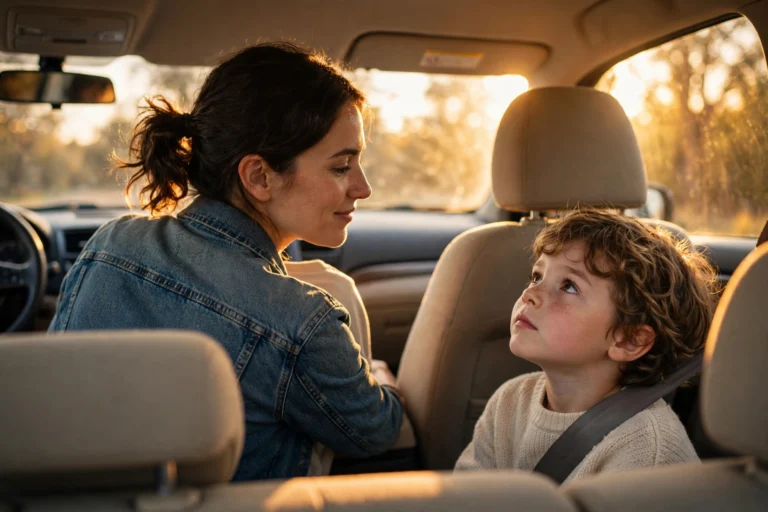
The smartest move is counterintuitive: do not try to fix it, reason with it, or lecture through it. A child mid-collapse cannot process logic any more than a phone at 1% battery can run an update. What they need first is connection — a hug, a snack, a few quiet minutes — and only later the gentle conversation about what happened.
4. What Actually Helps: Refill the Tank Before the Crash
You cannot prevent restraint collapse — it is how kids’ brains work — but you can soften the landing. The children who melt down hardest are usually the ones who are hungry, tired, and overstimulated all at once. No adult would handle that triple hit gracefully either.
Parents who ride out the after-school wave best tend to do three things. First, feed the kid fast — a real snack within minutes of pickup, before the sugar crash stacks on the emotional crash. Second, build in decompression time: twenty minutes of unstructured, low-demand play before homework or questions about the day. Third, save the “how was your day?” interrogation for dinner, when the tank is refilled.
None of this is permissive parenting. You are not rewarding bad behavior — you are recognizing that the bad behavior is a symptom of an empty tank, and filling the tank is the fastest way to get your actual child back.
5. The Beautiful Irony Nobody Warns You About
The kids who fall apart at home grow into teenagers who actually talk to their parents, and adults who call home when life gets hard. The pattern holds: the safe place stays the safe place.
The child who saves their tears for your shoulder is learning something profound — that big feelings can be survived, witnessed, and still loved. Every time you stay calm through the storm you did not cause, you teach them that emotions are not dangerous and that they are never too much for you.
Years from now, they will not remember the sandwich. But their nervous system will remember that home was the place where it was safe to fall apart.
Practical Takeaways
- Your child’s worst behavior at home is usually restraint collapse — the release of a whole day’s self-control, not a sign of bad parenting.
- Kids fall apart with the people they trust most; saving the meltdown for you means you are their safe place.
- Expect the crash in the first 20 minutes after pickup — plan for it instead of being ambushed by it.
- Feed them fast, offer quiet decompression time, and save the day’s debrief for when they have recovered.
- You cannot reason with a child at 1% battery — connect first, correct later.
- Every storm you weather calmly teaches them that big feelings are survivable, and that home is safe.