
Why You Can’t Stop Snacking While You Cook (and the Simple Chef’s Trick That Stops It)
You sit down to a beautiful dinner you spent an hour cooking, take one bite, and think: this is delicious, but I am not even hungry anymore. Somewhere between the chopping board and the stove, you already ate dinner — one pinch at a time, without ever noticing.
A cube of cheese while the pasta boils. A spoonful of sauce to check the salt. A few croutons straight off the tray. A taste of the filling, then another taste, just to be sure. None of it felt like eating. All of it counted.
This is not a lack of willpower. It is your brain doing exactly what it was built to do in a kitchen full of warm food — and once you understand the trick it is playing on you, stopping it becomes surprisingly easy.
Your Brain Thinks Tasting Is Not Eating
The first reason the bites keep coming is a quiet bit of mental accounting. Your brain sorts food into categories, and a “taste” lands in a different box than a “meal.” A taste is work. A taste is quality control. A taste is practically not food at all.
That is why you can eat half a block of cheese while cooking and still sit down to dinner genuinely believing you have not eaten yet. Your brain never added up the tastes because it never filed them under “eating.” And every new flavor resets your appetite all over again — the sauce, then the salad dressing, then the bread — because your brain loves novelty, and a kitchen mid-cook is a tasting menu of novelties.
The Kitchen Is Designed to Make You Graze

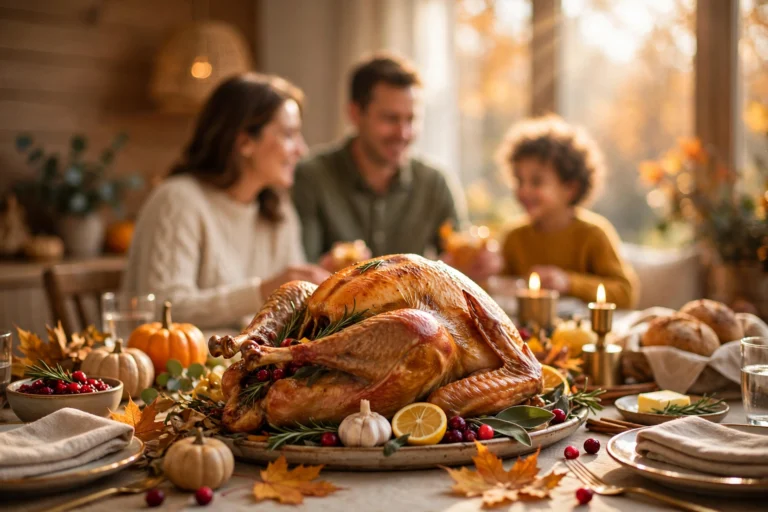
Think about the last time you cooked a real meal. You were standing up, moving around, with food at arm’s reach for an hour. There was no plate, no chair, no moment that said “this is a meal.” There was only the next thing to chop, stir, and taste.
Proximity is the most powerful appetite trigger there is. Studies of office workers found that people eat far more candy from a bowl on their desk than from one across the room — not because they are hungrier, but because the food is simply there. A cook is a person standing next to a candy bowl for an hour, except the bowl is a whole kitchen.
Add stress to the mix and the pull doubles. Cooking for guests, racing a timer, worrying whether the turkey will dry out — stress sends most of us straight to the nearest comforting bite, and there it is, warm and salty, right in front of you. The snack is not just food. It is a tiny break from the pressure.
The Real Cost of the Chef’s Tax
Chefs have a name for this: the chef’s tax. Every cook takes a little off the top. It is so universal that professional kitchens plan around it, and home cooks feel it every single holiday.
The cost is not just calories, though those add up faster than anyone expects — a few hundred over the course of a big cooking session, easily. The bigger cost is the meal itself. By the time you sit down, your taste buds are tired and the dish you worked so hard on tastes flat, not because you cooked it badly, but because you already ate it in pieces. You did all the work and missed the payoff. That is the real sting of the chef’s tax. It does not ruin your diet. It ruins your dinner.
The Trick Chefs Actually Use
Professional chefs taste constantly — it is part of the job — yet they do not arrive at service full. They use one small discipline that changes everything: the tasting spoon.
Here is how it works at home. Before you start cooking, put one small spoon next to the stove. That spoon is the only thing allowed to touch your mouth. A taste means one small spoonful, once, per dish — to check the seasoning, not to snack. You taste with purpose, then you put the spoon down and step back from the stove.
It sounds too simple to work, and that is exactly why it works. The rule does not fight your appetite — it just draws a line your brain can actually see, turning a dozen mindless bites into a single deliberate one.
A few other chef habits make the rule even stronger. Chew gum while you cook — it keeps your mouth busy and dulls the urge to graze. Keep a glass of water at your station and sip it instead of reaching for food. And plate a tiny portion of the finished dish for yourself before serving everyone else, so the reward of the meal is waiting for you at the table, not stolen in pieces at the stove.
The Hunger You Feel Is Often Just Boredom in Disguise
There is one more reason the bites keep coming, and it has nothing to do with hunger at all. Cooking has long stretches of waiting — the oven timer, the simmering pot, the dough rising. Waiting is boring, and boredom is one of the strongest eating triggers there is.
The next time you catch your hand drifting toward the snack bowl while the sauce simmers, pause and ask one question: am I hungry, or am I just waiting? Nine times out of ten, the answer is waiting, and the urge passes in a minute. The dinner does not have to pay for it.
Practical Takeaways
- Use the tasting spoon rule: one small spoon, one taste per dish, to check seasoning — then put the spoon down and step back from the stove.
- Chew gum while you cook: a busy mouth is far less likely to graze, and it keeps your taste buds fresh for the real meal.
- Keep water at your station: sipping water gives your hands and mouth something to do during the waiting stretches.
- Plate your portion first: put a small serving aside before dinner is served so the payoff of your cooking waits at the table.
- Name the urge: when your hand drifts toward food, ask “am I hungry, or just waiting?” — boredom is the usual answer, and it passes in a minute.
- Remember the real cost: the chef’s tax does not just add calories, it dulls the meal you worked so hard on — save your appetite for the table.